Office cleaning Richmond central Richmond Station business guide
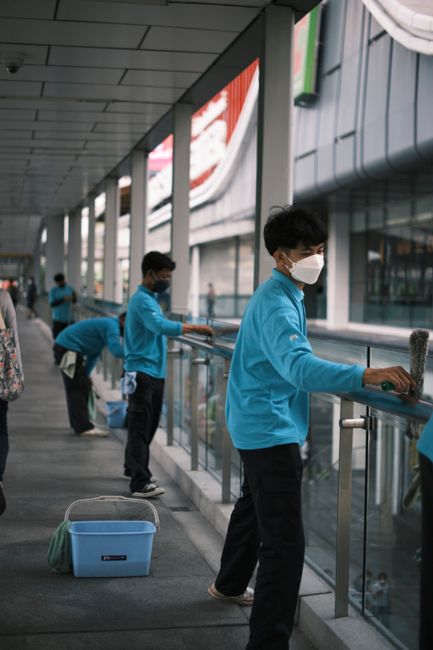
If you run a business near Richmond Station, you already know the area has its own pace. People arrive early, meetings start quickly, and the office has to look decent before the first client walks in. This Office cleaning Richmond central Richmond Station business guide is here to make the whole process feel clearer and less like another thing on the to-do list. Whether you manage a small team, a shared workspace, or a busier commercial suite, the aim is the same: a clean, professional environment that supports good work and leaves the right impression.
Truth be told, office cleaning is one of those services people only notice when it goes wrong. Dust on the blinds, a stale smell in the kitchen, muddy marks near the entrance after a wet London morning... you spot it straight away. The good news is that with a sensible plan, you can keep standards high without overcomplicating things. Below, you'll find how office cleaning works in central Richmond, what to look for, what to avoid, and how to make a practical decision for your business.
Why office cleaning in Richmond central and near Richmond Station matters
Central Richmond has a particular business rhythm. There are commuter flows, client meetings, retail-adjacent foot traffic, and offices that often sit in buildings where first impressions matter a great deal. Near Richmond Station, the pace is brisk; dirt builds up faster than people expect, especially on carpets, reception flooring, kitchenettes, and washrooms. A clean office does more than look tidy. It affects comfort, morale, hygiene, and how confidently you present your business.
For many firms, office cleaning is also part of risk management, even if nobody calls it that. A neglected spill can become a slip hazard. A poorly maintained kitchen can start to smell, and nobody wants to explain that to a client at 9:10 on a Tuesday. Dust can settle into vents, skirting boards, and desk edges faster than most people realise. And in shared offices, one person's habits quickly become everyone's problem. That's just the reality of it.
There is also the local context to think about. Richmond businesses often balance professionalism with a polished, welcoming feel. If your premises are used for consultations, financial services, creative work, professional services, or client-facing admin, the environment says a lot before anyone speaks. A clean office quietly signals reliability. A messy one... well, it does the opposite.
Practical takeaway: in Richmond central, office cleaning is not just a hygiene task. It is part of your brand, your staff experience, and the day-to-day smooth running of the business.
How office cleaning in Richmond central Richmond Station business guide works
Most office cleaning services follow a simple structure, but the details matter. Typically, the process starts with a walk-through or a brief assessment of the workspace. This helps identify the size of the office, the surfaces involved, the number of desks, washrooms, kitchen areas, floor types, and any priority issues such as stains, high-traffic zones, or sensitive equipment.
From there, the cleaning schedule is set. Some offices need daily cleaning; others do better with two or three visits a week, plus a periodic deep clean. The right schedule depends on footfall, staff numbers, whether clients visit regularly, and how the building is used after hours. A law office with carpeted meeting rooms and a small kitchen will have different needs from a fast-moving co-working space near the station. Obvious, maybe, but easy to miss when you're in a hurry.
The service itself usually covers visible and practical tasks such as vacuuming, mopping, desk wiping, sanitising touchpoints, emptying bins, kitchen cleaning, washroom cleaning, and attention to reception areas. Depending on the provider, you may also arrange add-on services like commercial carpet cleaning, upholstery care, or more targeted stain treatment. If your office has fabric seating or meeting-room chairs, those extras can make a surprisingly big difference.
Good office cleaning should be repeatable and accountable. That means checklists, clear timings, agreed access arrangements, and enough flexibility to work around meetings or early starts. The best setups feel almost invisible in the day-to-day sense. The office just stays pleasant. You come in, the place is ready, and nobody is grumbling about the bin situation by mid-morning. Nice, really.
Key benefits and practical advantages
There are obvious benefits, and then there are the quieter ones that often matter just as much. Here's the useful part.
- Better first impressions: a neat reception, polished floors, and clean washrooms tell visitors your business is organised and paying attention.
- More comfortable working conditions: staff are less distracted by clutter, odours, dust, and sticky surfaces.
- Reduced everyday wear and tear: regular cleaning can help protect carpets, flooring, desks, and soft furnishings from premature build-up.
- More consistent hygiene: touchpoints, kitchens, and shared areas stay in better condition when cleaning is routine rather than reactive.
- Less internal friction: nobody enjoys the endless "who's cleaning the fridge?" conversation. A proper service solves that.
- Better readiness for visitors: if a client drops by unexpectedly, you are not scrambling with a cloth and half a coffee in hand.
Another benefit that gets overlooked: morale. A clean office does not magically fix a difficult week, of course. But it removes small irritants. People notice when bins are emptied properly, when desks are dust-free, when the kitchen doesn't smell like old milk at 4 p.m. Those little things add up.
There is also a practical business angle. When cleaning is handled consistently, internal staff spend less time doing ad hoc tidying or correcting avoidable mess. That time goes back into work that actually matters. Small saving, maybe. But over weeks and months, it stacks up.
Who this is for and when it makes sense
This guide is useful if you manage or work in an office in central Richmond, especially around the station, the town centre, or nearby commercial streets. It is particularly relevant for:
- small and medium-sized businesses with reception or meeting areas
- professional services firms where clients visit the premises
- shared offices and co-working spaces
- consulting, recruitment, legal, financial, or admin teams
- offices with kitchens, staff breakout areas, or washrooms
- businesses that want a regular, dependable standard without handling cleaning in-house
You may need office cleaning more urgently if your premises are heavily used, if clients attend in person, or if your team has grown and the old "we'll just tidy as we go" system has stopped working. Let's face it, that system usually collapses the moment the second bin overflows.
It also makes sense if your workplace has mixed-use areas. For example, a small office above a shop, a consulting room with a waiting area, or a business suite shared by several teams may need a more tailored approach than a standard once-a-week clean. That is where a proper plan matters.
Step-by-step guidance
If you are trying to set up office cleaning in a sensible way, this is the cleanest path through the process.
- Walk the space properly. Don't just glance around. Look at entrances, carpets, washrooms, kitchen surfaces, bins, desks, shelving, and any awkward corners that always seem to collect dust.
- Identify the priorities. Which areas must be spotless every day? Which areas need weekly attention? What can wait for a monthly deep clean?
- Decide the frequency. Daily, alternate days, or weekly arrangements all have their place. The right answer depends on use, footfall, and how client-facing the office is.
- Choose the service scope. Basic cleaning might cover vacuuming and surfaces. A more complete service may include kitchens, washrooms, internal glass, bins, and touchpoint sanitising.
- Ask how standards are checked. A good provider should be able to explain supervision, checklists, reporting, and how issues are corrected.
- Clarify access and timing. Early morning, evening, or weekend cleaning may suit your operation better, especially near Richmond Station where arrival and departure windows can be tight.
- Confirm materials and equipment. Some offices prefer providers to bring their own supplies. Others want specific products used in sensitive areas. Clarify this early.
- Review the plan after the first few visits. Real-world use always reveals something. Maybe the entrance needs more attention, or the kitchen needs a different routine. Adjust rather than drift.
A small but useful detail: if you have staff working late or very early, cleaning times need to fit around them, not the other way around. A cleaner vacuuming beside a conference call is nobody's friend.
Expert tips for better results
After enough offices, one pattern shows up again and again: the best results come from clarity, not complexity. You do not need a 40-point cleaning philosophy. You need a few well-made decisions and a bit of discipline.
- Prioritise high-touch zones. Door handles, switches, kitchen taps, and shared tables gather grime faster than people think.
- Protect entry points. In Richmond, wet shoes and city dust make entrance mats worth their weight in gold on rainy days.
- Do not overload desk cleaning. Some offices want every surface handled; others prefer cleaners not to move personal items. Define the boundary clearly.
- Match products to surfaces. Harsh chemicals on the wrong material can dull finishes or leave residue. Gentle but effective is usually the sweet spot.
- Keep the kitchen simple and strict. Shared fridges, sinks, microwaves, and counters need routine care or they become the office's most complained-about area. Fast.
- Use seasonal thinking. Winter brings mud and salt; spring brings more pollen and dust; summer can mean odours in warm communal spaces. Adjust accordingly.
One thing experienced business owners tend to learn the hard way: don't assume "clean" means the same thing to everyone. What looks acceptable to one manager may feel half-done to staff. A simple written standard helps avoid that awkward mismatch.
If your office also has upholstered seating, meeting-room chairs, or carpeting in busy areas, occasional specialist care can support routine cleaning. For example, upholstery cleaning and steam carpet cleaning can help refresh spaces that regular vacuuming only partly improves.
Common mistakes to avoid
Some office cleaning problems are genuinely avoidable, yet they keep happening because people assume the basics will sort themselves out. They won't. Here are the usual trouble spots.
- Choosing on price alone: the cheapest option can turn out expensive if standards are patchy and you end up fixing issues later.
- Giving vague instructions: "just clean the office" is not a plan. It is a hope.
- Ignoring frequency: a great clean once in a while does not replace a reliable routine.
- Overlooking kitchens and washrooms: these spaces create most of the strong impressions, for better or worse.
- Not checking access details: keys, alarms, building rules, and escort requirements matter, especially in shared or managed buildings.
- Failing to review the service: if something keeps being missed, speak up early. Waiting only makes it harder to fix.
There is also a subtle mistake that trips up busy teams: assuming the office only needs cleaning when it looks visibly dirty. By then, you are already behind. A good standard is maintained before the place looks rough. That is the whole point, really.
Tools, resources and recommendations
You do not need to become a cleaning expert to manage a good office cleaning arrangement, but a few tools and reference points help.
First, keep a simple internal checklist for daily, weekly, and monthly tasks. It should cover what staff are expected to do themselves and what sits with the cleaning provider. That division alone prevents a lot of confusion. If the team knows emptying desk bins is not part of the contracted clean, there is less resentment later.
Second, use a site map of the office. Not a fancy one. Just a practical layout showing entrances, washrooms, tea points, meeting rooms, storage areas, and any sensitive zones. This is particularly useful if different cleaners work different shifts.
Third, maintain a contact point for feedback. A quick note about a missed area is more useful than a vague complaint weeks later. If you need to compare service levels, cost structures, or package options, pricing and quotes is a sensible place to start when you want a clearer picture of what is included.
Finally, pay attention to the wider condition of the workplace. If you have a lot of soft furnishings, occasional deep treatment of carpets or chairs may help your everyday cleaning go further. For businesses that care about overall presentation, small improvements make a real difference. Quietly, but they do.
Law, compliance, standards, or best practice
Office cleaning sits inside a wider duty of care. In the UK, businesses are generally expected to keep workplaces reasonably safe and maintained, and cleaning forms part of that. The exact obligations depend on the building, the activities carried out there, and how the space is used, so it is wise to treat compliance as a practical standard rather than a box-ticking exercise.
At a minimum, your cleaning arrangements should support hygiene, reduce obvious hazards, and avoid creating new risks. That means thinking about slippery floors, blocked exits, chemical storage, waste handling, and how cleaning is done around staff or visitors. A contractor should be able to describe its own health and safety approach in plain English, not bury everything in jargon.
If your office shares space with other tenants, building management may also set rules around access times, waste disposal, noise, and security. Those rules matter. So does insurance. It is worth checking that any provider has appropriate cover and clear procedures; the page on insurance and safety is useful if you want to understand the sort of protections a professional service should have in place.
Best practice also includes data protection awareness. If cleaners work around documents, screens, or confidential material, the office should have a policy about what can be touched, moved, or photographed. Simple rule: if it is confidential, keep it secure before the clean starts. Saves hassle later.
Options, methods, and comparison table
There is no single best cleaning model for every office in Richmond central. The right choice depends on budget, footfall, and how polished the premises need to be on a daily basis. Here is a straightforward comparison.
| Cleaning method | Best for | Strengths | Watch-outs |
|---|---|---|---|
| Daily routine cleaning | Busy offices, client-facing premises, shared workspaces | Consistent presentation, stronger hygiene, fewer build-ups | Costs more than occasional cleaning and needs reliable scheduling |
| Weekly cleaning | Smaller offices with lighter use | Budget-friendly and easy to organise | Can be insufficient if the office sees regular footfall or visits |
| Combined routine + deep cleaning | Businesses wanting a better finish without constant disruption | Good balance of upkeep and periodic restoration | Requires a clearer scope and more planning |
| Targeted specialist cleaning | Carpets, upholstery, stains, odours, high-wear areas | Improves specific problem areas and presentation | Not a replacement for general office cleaning |
If you are weighing up methods, think in terms of how your space is actually used. An office that looks quiet on paper can still have constant kitchen use, visitor traffic, and meeting room turnover. The building tells you the truth if you pay attention for a minute or two.
Case study or real-world example
A good way to understand office cleaning is to picture a typical Richmond central setup. Say you have a small professional services office near the station with eight staff, a reception desk, one meeting room, a kitchenette, and one washroom. It looks tidy enough at 8:30 in the morning. By Friday afternoon, though, the entrance mat is carrying grit, the kitchen bin smells a bit off, and fingerprints are building up on the glass and internal doors.
In that sort of office, a light weekly clean usually feels inadequate. A better arrangement is a routine clean two or three times a week, with deeper attention to floors and shared touchpoints. If the meeting room gets heavy use, upholstery and carpet spots may also need periodic specialist treatment. Nothing dramatic. Just a sensible response to the way the space is used.
What changes most is not just appearance, but confidence. Staff stop doing that awkward pre-meeting tidy-up dash. Visitors are greeted by a fresh, organised space. The office feels calmer. You notice it at about 9 a.m. on a rainy Monday, which is often when these things matter most.
One manager in a similar setting once said the biggest benefit was surprisingly boring: fewer little complaints. No more "who left the fridge like that?" or "can someone empty the bin again?" Boring is good. Boring is very good.
Practical checklist
Use this checklist when setting up or reviewing office cleaning in central Richmond.
- Define the exact areas to be cleaned.
- Agree how often each area needs attention.
- List high-priority touchpoints and shared spaces.
- Confirm access arrangements, alarm procedures, and key handling.
- Decide what supplies and equipment the provider brings.
- Clarify whether desks, screens, and personal items are included or excluded.
- Make sure kitchen and washroom standards are written down.
- Ask how problems or missed tasks are reported and corrected.
- Check health and safety expectations and any insurance cover.
- Review the service after the first few visits, then adjust if needed.
If you want the office to feel consistently professional, this list is the starting point. Not glamorous, perhaps. But effective.
Get a free quote today and see how much you can save.
Conclusion
Choosing office cleaning in Richmond central, especially around Richmond Station, is really about matching the service to the way your business works. A polished office supports confidence, comfort, and day-to-day efficiency. It also takes pressure off your team, who probably have enough on already without worrying about whether the kitchen bin has become a weekend science experiment.
The best results come from clear expectations, sensible scheduling, and a provider that understands both the practical side and the local business rhythm. Keep the plan simple. Review it regularly. Pay attention to the little details. That is usually where the difference shows up.
If you approach office cleaning as part of how you run the business rather than a box to tick, the office starts working better for everyone. And that, honestly, is the goal.
Frequently Asked Questions
What does office cleaning usually include in Richmond central?
Most office cleaning packages cover vacuuming, mopping, desk and surface wiping, bin emptying, kitchen cleaning, and washroom cleaning. Some also include touchpoint sanitising, internal glass, and specialist floor care. Always check the exact scope, because "office cleaning" can mean different things depending on the provider.
How often should an office near Richmond Station be cleaned?
It depends on footfall, staff numbers, and how client-facing the office is. Busy or visitor-heavy spaces often need daily cleaning, while smaller offices may manage with a few visits a week. If your kitchen or reception area gets heavy use, those parts may need more frequent attention than the rest.
Is weekly office cleaning enough for a small business?
Sometimes, yes. If the office is lightly used and staff do some basic tidying themselves, weekly cleaning may be enough. But if the space has shared facilities, carpets, or regular visitors, weekly service can start to feel thin pretty quickly.
What should I ask before booking an office cleaner?
Ask what is included, how often they work, whether they bring their own materials, how quality is checked, and what happens if something is missed. You should also confirm access arrangements, insurance, and any health and safety procedures.
Do office cleaners work outside business hours?
Many do, yes. Early morning, evening, and weekend cleaning are all common because they reduce disruption. For offices near Richmond Station, off-peak timings can be especially helpful where staff and visitors arrive at different times.
How do I know if my office needs a deep clean?
Signs include lingering odours, visible build-up on skirting boards or vents, stained carpets, tired-looking upholstery, and areas that still feel dull even after routine cleaning. A deep clean can reset the space, especially before busy periods or after a long stretch of heavy use.
Are cleaning products safe around office staff and equipment?
They should be, if used properly. A professional cleaner should choose appropriate products for each surface and avoid unnecessary residue or damage. If you have sensitive equipment or special surface finishes, say so upfront and agree how they should be handled.
Can office cleaning help with odours in shared spaces?
Yes, to a point. Regular bin management, kitchen cleaning, and upholstery or carpet care can reduce stale smells quite a lot. If odours keep returning, the source may be a fridge, carpet, drain, or poorly ventilated area that needs closer attention.
What is the difference between routine cleaning and specialist cleaning?
Routine cleaning keeps the office presentable day to day. Specialist cleaning targets specific issues such as carpets, upholstery, stains, or odours. Most businesses need both at different times. One keeps things going; the other deals with the stuff that routine cleaning cannot fully fix.
How can I keep cleaning standards consistent over time?
Use a simple checklist, review the service regularly, and make sure problems are reported quickly. Consistency usually comes from clarity and communication, not from hoping everyone remembers the same thing. A short written standard helps more than people expect.
Is office cleaning relevant for small offices with only a few staff?
Absolutely. Small offices can look untidy surprisingly fast because there are fewer people to absorb the mess. Even a modest space near Richmond Station benefits from a steady cleaning routine if you want it to stay professional and comfortable.
What if my office has both client areas and private workspaces?
That is very common. In that case, it helps to divide the office into priority zones. Reception, meeting rooms, kitchens, and washrooms may need more frequent cleaning than storage areas or low-traffic desks. A tailored plan works better than treating every room the same.