Upholstery Cleaning in Modern Homes: Restore Comfort, Beauty, and Hygiene
Upholstery cleaning is one of the most effective ways to refresh your living space, protect your furniture investment, and create a healthier indoor environment. Whether you have a busy family home, a stylish apartment, or a commercial reception area, upholstery cleaning helps keep sofas, chairs, cushions, ottomans, and fabric-covered furniture looking their best. Over time, everyday use leaves behind dust, body oils, pet hair, food crumbs, allergens, and odors. Without proper upholstery cleaning, these contaminants settle deep into fibers and make furniture look dull, feel rough, and smell less pleasant.
Many people assume that vacuuming alone is enough, but upholstery cleaning goes far beyond surface maintenance. It targets embedded dirt, hidden bacteria, and stubborn stains that regular household cleaning cannot fully remove. With the right upholstery cleaning approach, fabric can regain color, texture, and freshness while extending the life of your furnishings. If you want your home to feel cleaner and more inviting, upholstery cleaning should be a regular part of your maintenance routine.
Professional upholstery cleaning is also a smart choice for households with children, pets, allergies, or frequent guests. Soft furnishings collect more contaminants than most people realize, and those pollutants can affect both comfort and indoor air quality. By investing in upholstery cleaning, you improve not just the appearance of your furniture, but also the overall atmosphere of your home. Fresh upholstery makes a room feel cared for, polished, and welcoming.
Why Upholstery Cleaning Matters More Than Most People Think

Upholstery is used every day, which means it absorbs dirt in a way that hard surfaces do not. When you sit on a sofa or lean against a fabric chair, you transfer oils from your skin and traces of dirt from clothing into the material. Add pets, spills, dust, and pollen, and the need for regular upholstery cleaning becomes clear. Even furniture that looks clean on the outside may contain deeply trapped debris inside the fibers and padding.
One of the biggest benefits of upholstery cleaning is protecting fabric quality. Dirt particles can act like tiny abrasives, wearing down fibers each time someone sits on the furniture. Over time, this causes fading, thinning, and a generally tired appearance. Proper upholstery cleaning helps reduce this wear, preserving the look and feel of your furniture for longer.
Another major reason to prioritize upholstery cleaning is hygiene. Soft furnishings can harbor allergens, bacteria, and dust mites, especially in warm or humid environments. For allergy-sensitive households, upholstery cleaning can be especially valuable because it helps reduce triggers that may affect breathing comfort and general well-being. Cleaner upholstery contributes to a cleaner home environment overall.
Signs Your Furniture Needs Upholstery Cleaning

Not all upholstery problems are obvious, and many people wait until stains become very visible before taking action. However, there are several signs that indicate your furniture is overdue for upholstery cleaning. One common sign is a change in color or brightness. If your sofa has lost its original vibrancy, embedded grime may be the cause.
Odors are another strong indicator. Fabrics naturally absorb smells from food, pets, smoke, and moisture. If a couch has a stale or musty smell even after airing out the room, upholstery cleaning may be necessary to eliminate odor at the source rather than masking it temporarily.
Other warning signs include visible spots, rough texture, increased sneezing around the furniture, or pet hair that seems impossible to remove. You may also notice that certain seats look more worn than others due to heavy use. When these issues appear, upholstery cleaning can restore freshness and help prevent more serious fabric damage.
How Upholstery Cleaning Works
Upholstery cleaning is not a one-size-fits-all process. Different fabrics require different methods, and the right technique depends on fiber type, weave, colorfastness, and level of soiling. A professional upholstery cleaning service typically begins with inspection. This stage identifies fabric type, visible stains, delicate areas, and any manufacturer care instructions.
After inspection, the cleaning specialist may vacuum the furniture thoroughly to remove loose dust, crumbs, and pet hair. This step is important because it prepares the surface for deeper cleaning and helps prevent dirt from spreading during treatment. Depending on the material, upholstery cleaning may then involve steam extraction, low-moisture cleaning, foam treatment, dry cleaning, or specialty spot removal.
Each upholstery cleaning method has a purpose. For example, steam extraction is often effective for many synthetic fabrics because it can lift dirt from deeper layers. Dry cleaning methods are often better for delicate fabrics that should not be saturated with water. The goal is always the same: remove contamination safely while protecting the integrity of the furniture. Effective upholstery cleaning balances cleaning power with fabric care.
Common Upholstery Cleaning Methods
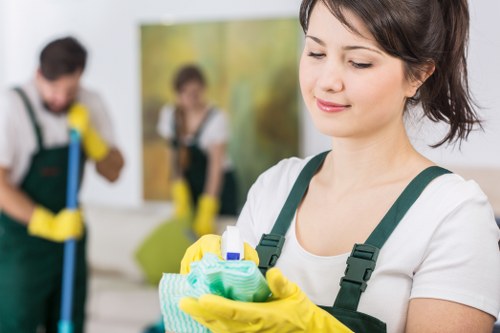
There are several methods used in upholstery cleaning, and understanding them can help you choose the best option for your furniture. A professional cleaner will usually recommend a process based on the manufacturer label and the condition of the item. Common methods include:
- Steam cleaning: Uses heated water and extraction to loosen and remove dirt.
- Dry upholstery cleaning: Uses minimal moisture and specialized compounds for delicate fabrics.
- Foam cleaning: Applies foam to lift dirt from the fibers with less saturation.
- Encapsulation: Uses cleaning agents that crystallize dirt for easy removal after drying.
- Spot treatment: Focuses on isolated stains such as coffee, wine, ink, or food marks.
The most effective upholstery cleaning method is the one that matches the material and the problem. For instance, natural fibers may need gentler care, while synthetic fabrics can often tolerate more intensive cleaning. A reliable upholstery cleaning process will also include pH-balanced products to avoid damage, residue, or color fading.
It is also worth noting that some fabrics, such as silk blends, velvet, suede, or antique textiles, may require highly specialized upholstery cleaning techniques. In these cases, careful testing and experienced handling are essential. Choosing the wrong method can leave water marks, shrinkage, or texture changes, so professional assessment matters.
Benefits of Professional Upholstery Cleaning
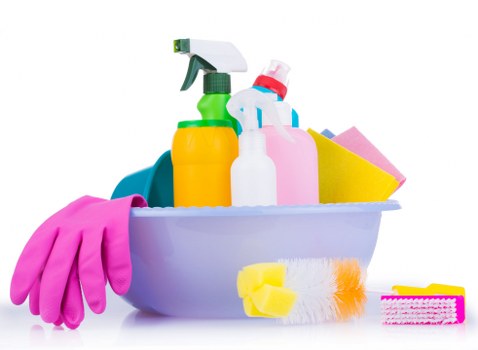
Professional upholstery cleaning offers clear advantages over basic home cleaning. First, it provides deeper soil removal. Household vacuums and store-bought sprays can help with maintenance, but they rarely reach the layers where grime accumulates. Professional equipment is designed to extract debris from inside the fibers, giving a more thorough result.
Second, professional upholstery cleaning helps extend furniture lifespan. By removing abrasive dirt and addressing stains early, you reduce long-term wear and tear. This can save money because quality furniture is expensive to replace. In many cases, regular upholstery cleaning keeps a favorite sofa or chair in excellent condition for years longer than expected.
Third, professional cleaning improves indoor air quality. Dust, pet dander, and allergens trapped in upholstery can circulate in the air when people sit down or move around the room. Deep upholstery cleaning reduces this buildup, which may help create a fresher and more comfortable home. For families with allergy concerns, this benefit can be especially meaningful.
Additional advantages include:
- Better appearance and brighter fabric color
- Removal of lingering odors
- Reduced bacteria and allergen buildup
- Protection against premature fabric deterioration
- A more polished and inviting interior
Professional upholstery cleaning can also help identify problems early, such as weakened seams, hidden mold growth, or fabric damage. Spotting these issues before they worsen allows you to act quickly and maintain the furniture more effectively.
Upholstery Cleaning for Different Fabric Types
Different materials respond differently to upholstery cleaning, which is why fabric identification matters so much. Synthetic fabrics like polyester, nylon, and microfiber are often more forgiving and can usually handle a wider range of upholstery cleaning techniques. These fabrics are common in modern homes because they are durable and stain resistant, but they still need periodic deep cleaning to stay fresh.
Natural fibers, including cotton, linen, wool, and blends containing these materials, require more caution. While they can be cleaned successfully, the wrong upholstery cleaning solution can cause shrinkage, discoloration, or water spots. This is why testing before full treatment is so important. A professional will often use targeted methods to protect the fiber structure.
Delicate materials such as velvet, silk, chenille, or leather blends need even more specialized attention. While leather technically falls under a separate care process, many furniture owners still look for upholstery cleaning services that understand mixed-material furniture. In these cases, gentle techniques, correct drying, and suitable conditioning products are critical. The best upholstery cleaning always respects the fabric, not just the stain.
Common upholstery care labels you may see
- W: Water-based cleaning allowed
- S: Solvent-based or dry cleaning only
- WS: Water or solvent may be suitable
- X: Vacuum only, no liquid cleaning
Understanding these labels can help you avoid costly mistakes. If the tag is missing or unclear, a professional upholstery cleaning technician can evaluate the fabric before proceeding. This extra step is often the difference between a safe result and accidental damage.
How Often Should Upholstery Cleaning Be Done?
The frequency of upholstery cleaning depends on lifestyle, household size, and furniture usage. As a general rule, most homes benefit from professional upholstery cleaning every 12 to 24 months. However, homes with pets, children, smokers, or allergy sufferers may need it more often. High-traffic furniture, such as the main family sofa, may also require more frequent attention than rarely used chairs.
Between professional appointments, basic maintenance goes a long way. Regular vacuuming with an upholstery attachment helps remove dust and crumbs before they settle too deeply. Blotting spills immediately also reduces the risk of permanent staining. Still, routine care should be paired with periodic upholstery cleaning to maintain freshness and appearance.
If your furniture is in a commercial setting such as an office, waiting room, or hospitality space, upholstery cleaning may be needed on a tighter schedule. These environments experience heavier use and often require a cleaner, more polished appearance for visitors and clients. In busy settings, scheduled upholstery cleaning can make a noticeable difference in presentation and comfort.
DIY Upholstery Cleaning Tips That Actually Help
While deep upholstery cleaning is often best left to professionals, there are several simple things you can do at home to keep furniture in better condition. Start by vacuuming upholstery weekly or biweekly. Use the brush attachment to lift dust and loosen debris from seams, creases, and cushions. This basic step supports ongoing upholstery cleaning efforts and prevents buildup.
When spills happen, blot them gently with a clean cloth. Avoid scrubbing, as this can push the stain deeper and damage the fabric weave. If a fabric-safe cleaning solution is approved for your upholstery type, test it in an inconspicuous spot before using it more widely. This helps reduce the risk of discoloration or residue.
You can also rotate cushions when possible. This helps distribute wear evenly and keeps one side from becoming visibly more compressed or faded than the others. For pet owners, using a lint roller or soft brush can make ongoing upholstery cleaning much easier. Small habits prevent bigger problems later.
Safe home maintenance practices
- Vacuum regularly with a soft brush attachment
- Act quickly on spills and stains
- Keep furniture away from direct sunlight when possible
- Use throws or covers in high-use areas
- Follow the care label before applying any product
Why Upholstery Cleaning Supports a Healthier Home
Clean furniture does more than improve aesthetics; it supports a healthier household. Upholstery can trap airborne particles that would otherwise remain in circulation. When upholstery cleaning removes these particles, the room may feel fresher and less congested. This can be especially beneficial in bedrooms, living rooms, and family spaces where people spend a lot of time.
Upholstery cleaning may also help reduce unpleasant odors that build up from food, pets, sweat, and humidity. These smells can become absorbed in cushions and padding, making them difficult to eliminate with sprays alone. A thorough upholstery cleaning process addresses the source of the odor rather than simply covering it.
For anyone who values a neat, healthy environment, upholstery cleaning is a practical investment. It supports cleanliness, comfort, and long-term maintenance in a way few other household tasks can match. When your furniture is clean, the whole room feels improved.
How to Choose the Right Upholstery Cleaning Service
Choosing the right upholstery cleaning service can make a major difference in the final result. Look for a provider that understands fabric types, stain behavior, and the safest cleaning methods for your specific furniture. Experience matters because upholstery cleaning requires more precision than many people expect. The wrong technique can leave residue, shrink fabric, or worsen staining.
A good upholstery cleaning provider should offer inspection before treatment and be willing to explain the process clearly. They should also use suitable products for your fabric type and discuss expected drying times. Transparency is a strong sign of professionalism. A reputable upholstery cleaning service will not promise unrealistic results, but it should aim for a visible improvement in cleanliness and freshness.
It is also smart to ask whether the service provides deodorizing, stain protection, or specialized treatment for delicate furniture. These extra options can add value depending on your needs. The best upholstery cleaning experience is one that combines expertise, care, and attention to detail.
Questions to ask before booking
- What cleaning methods do you use for my fabric type?
- Do you inspect the furniture before cleaning?
- How do you handle tough stains or odors?
- What is the estimated drying time?
- Are the cleaning products safe for children and pets?
Common Mistakes to Avoid With Upholstery Cleaning
Many upholstery problems happen because people try to fix stains too aggressively. One of the most common mistakes is using too much water. Over-wetting can damage padding, cause rings, or create mold and mildew risks. Another common mistake is using harsh chemicals that may fade or weaken fabric. The goal of upholstery cleaning is to preserve furniture, not stress it.
Scrubbing stains is another harmful habit. While it may seem logical, scrubbing often drives dirt deeper and distorts the fabric surface. Instead, blot gently and use the correct upholstery cleaning method for the material. Patience is often more effective than pressure.
Skipping regular maintenance is also a problem. If upholstery cleaning is only done when a sofa looks visibly dirty, buildup may already be deep in the fibers. Regular care helps keep furniture consistently fresh and reduces the need for major restorative cleaning later on.
Upholstery Cleaning and Interior Style
Clean furniture plays a big role in how a room looks and feels. Even the most stylish décor can lose impact if the sofa appears dull or stained. Upholstery cleaning enhances the visual balance of a room by restoring fabric color and improving texture. That renewed look can make the whole space feel better maintained.
For homeowners preparing to host guests, sell a property, or simply enjoy a more attractive living area, upholstery cleaning is a high-impact improvement. It is often more affordable than replacing furniture and can dramatically improve the impression your home gives. When paired with vacuumed floors, polished surfaces, and organized spaces, clean upholstery helps create a cohesive, comfortable environment.
If your goal is to refresh your home without a full redesign, upholstery cleaning is an excellent place to start.
Final Thoughts on Upholstery Cleaning
Upholstery cleaning is more than a cosmetic task. It is a practical way to protect your furniture, improve indoor hygiene, reduce allergens, and keep your home looking welcoming. From everyday maintenance to professional deep cleaning, every step you take helps preserve the comfort and value of your soft furnishings. Whether you are dealing with a recent spill, routine wear, pet hair, or lingering odors, upholstery cleaning can make a meaningful difference.
By understanding fabric types, choosing the right cleaning method, and keeping up with regular maintenance, you can extend the life of your furniture and maintain a healthier home environment. Upholstery cleaning is one of those services that delivers visible, immediate results while also supporting long-term care. It is an investment in both appearance and well-being.
If your sofa, chairs, or fabric furniture are ready for a refresh, now is the right time to act. Contact us today to learn more about professional upholstery cleaning options, or book your service now to bring new life back to your furniture.