Rug Cleaning: How to Keep Rugs Fresh, Safe, and Beautiful
Why Rug Cleaning Matters for Every Home
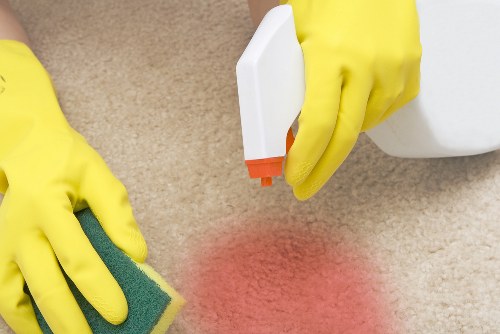
Rug cleaning is one of the most effective ways to protect the look, feel, and lifespan of your flooring investments. Rugs do more than decorate a room—they soften footsteps, reduce noise, add warmth, and bring personality to your space. But because they sit under daily foot traffic, spills, pet activity, dust, and outdoor debris, they can quickly collect soil deep within the fibers.
Many people assume vacuuming is enough, yet routine rug cleaning goes far beyond surface maintenance. Over time, embedded dirt can dull colors, damage fibers, and create unpleasant odors. Regular care also helps reduce allergens such as dust mites, pollen, and pet dander, making your home feel cleaner and more comfortable.
Whether you own a delicate Persian piece, a modern synthetic area rug, or a thick wool runner, the right rug cleaning routine can help preserve its beauty. The key is understanding the material, the construction, and the best cleaning approach for each type of rug.
Understanding Different Rug Materials
Before starting any rug cleaning project, it helps to know what your rug is made of. Each material responds differently to moisture, detergents, agitation, and drying methods. Choosing the wrong process can lead to shrinkage, fading, matting, or color bleeding.
Wool rugs are durable and naturally stain-resistant, but they can felt if over-wet or scrubbed too aggressively. Cotton rugs are often easier to wash, though they may shrink if exposed to too much heat. Synthetic rugs such as nylon, polyester, polypropylene, and olefin usually tolerate more cleaning methods and are popular in busy households.
Natural fibers like jute, sisal, seagrass, and coir require extra caution. These materials can be sensitive to moisture and may stain or warp when saturated. Knowing the material helps you decide whether to spot-clean at home, schedule professional rug cleaning, or avoid certain products entirely.
Common Rug Materials and Their Care
- Wool: Use gentle, pH-balanced solutions and avoid excessive scrubbing.
- Cotton: Can often be washed more easily, but check for shrinkage risk.
- Synthetic fibers: Usually respond well to standard rug cleaning methods.
- Silk: Requires delicate handling and professional attention in many cases.
- Natural plant fibers: Minimal moisture is best to prevent distortion.
Signs Your Rug Needs Cleaning
You may not notice a rug getting dirty right away because soil builds up gradually. However, several signs indicate it is time for thorough rug cleaning. If the rug looks dull, feels rough underfoot, or has visible stains, it is likely holding more debris than you think.
Odors are another strong clue. Rugs can trap moisture, pet smells, food spills, and general household odors. A musty smell may also suggest trapped dampness or even mold growth if the rug has been exposed to water. In homes with pets or children, deeper rug cleaning should be part of the regular maintenance routine.
Allergy symptoms can also point to a dirty rug. Sneezing, itchy eyes, or increased dust in the air often happen when rugs are harboring allergens. If vacuuming no longer improves the texture or appearance, it may be time for professional help or a more intensive cleaning method.
Watch for These Warning Signs
- Loss of color brightness or overall dullness
- Persistent odors even after vacuuming
- Visible spots, spills, or pet accidents
- Flattened fibers and matting
- More dust accumulating near the rug area
Effective Methods for Rug Cleaning at Home
There are several practical methods for rug cleaning at home, and the best one depends on the rug’s fabric, age, and condition. For many households, a combination of vacuuming, spot treatment, and occasional deep cleaning works well.
Vacuuming is the first line of defense. A slow, thorough pass removes loose dirt before it settles deeper into the fibers. Use a vacuum with adjustable height and a brush setting appropriate for the rug type. For delicate rugs, avoid high-suction settings that could pull at the weave.
Spot cleaning is important for fresh spills. The sooner you act, the better the result. Blot the area with a clean white cloth rather than rubbing, which can spread the stain. Then use a mild cleaning solution suited to the material. For many synthetic rugs, a small amount of gentle soap mixed with water may be enough. For wool and natural fibers, use less moisture and test in a hidden area first.
Step-by-Step Spot Cleaning
- Blot the spill immediately with a dry cloth.
- Test your cleaning solution on a hidden corner.
- Apply a small amount of solution to the stain.
- Work from the outside inward to avoid spreading.
- Blot again to lift moisture and residue.
- Allow the area to dry completely before walking on it.
Deep Rug Cleaning: When Basic Care Is Not Enough

Even with regular maintenance, rugs eventually need deep rug cleaning. Deep cleaning removes grime that vacuuming cannot reach, including oils, embedded soil, and lingering allergens. This can be done at home for some rug types, but in other cases, professional equipment may produce better and safer results.
Steam cleaning, shampooing, and immersion washing are common deep-cleaning techniques. However, not every rug can tolerate them. Steam and excess water may damage older rugs, hand-knotted pieces, or natural fibers. A careful inspection is essential before choosing a method.
If you want a fresh-looking rug without risking damage, professional rug cleaning services can be a smart investment. They often use fiber-specific treatments, stain removal methods, and controlled drying processes that help preserve the rug’s structure and color. This can be especially valuable for rugs with sentimental or financial value.
Benefits of Deep Cleaning
- Removes built-up dirt and hidden debris
- Helps eliminate odors and bacteria
- Improves appearance and color vibrancy
- Extends the life of the rug
- Creates a healthier indoor environment
Why Professional Rug Cleaning Can Be Worth It
There are times when professional rug cleaning is the safest and most effective option. This is especially true for antique rugs, silk rugs, oversized area rugs, or pieces with complicated dye patterns. Professionals can identify fabric types, test for colorfastness, and apply cleaning techniques designed to reduce risk.
Another major advantage is stain treatment. Some stains, such as wine, ink, grease, and pet accidents, are difficult to remove with standard household products. A professional rug cleaner may use specialized pre-treatment, gentle agitation, and controlled rinsing to improve stain removal without harming the rug.
Professional care can also save time. Large rugs are heavy and difficult to clean properly at home. If you have multiple rugs, busy schedules, or pets, hiring a specialist for rug cleaning may be the most practical solution. Book your service now if your rug needs expert attention and you want results that support long-term fabric care.
What Professionals Often Check
- Fiber type and weave structure
- Condition of dyes and backing materials
- Signs of wear, fraying, or repairs needed
- Appropriate stain removal strategy
- Safe drying and finishing methods
How Often Should Rugs Be Cleaned?
The ideal rug cleaning schedule depends on the location of the rug, the amount of foot traffic, and whether you have pets or children. In high-traffic areas like hallways, entryways, and living rooms, rugs should be vacuumed at least weekly and deep cleaned every 6 to 12 months.
Bedroom rugs may not need attention as often, but they still collect dust and skin particles over time. In homes with allergies, more frequent cleaning can help reduce triggers. Outdoor rugs and kitchen rugs may need extra attention because they encounter dirt, spills, and moisture more often.
Households with pets should be especially consistent. Pet hair, dander, and occasional accidents make regular rug cleaning essential. Even if the rug looks clean, odors and debris can accumulate below the surface. A simple routine can prevent bigger problems later.
General Cleaning Frequency Tips
- Vacuum weekly: For most rugs in normal-use spaces.
- Spot clean immediately: Address spills as soon as they happen.
- Deep clean every 6–12 months: Adjust based on traffic and rug type.
- Use professional cleaning periodically: For valuable or delicate rugs.
DIY Rug Cleaning Mistakes to Avoid
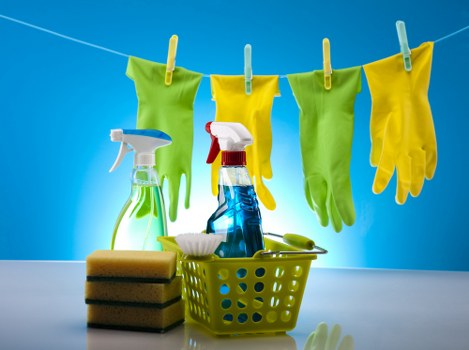
While home maintenance is useful, certain mistakes can make rug cleaning less effective or even damaging. One of the most common problems is over-wetting. Too much water can lead to slow drying, mildew, mold, and weakened backing. This is particularly risky for rugs made from natural fibers.
Another mistake is using harsh chemicals without checking the material. Bleach, strong detergents, and abrasive cleaners may strip color or damage the rug fibers. It is always smarter to start with a gentle solution and test first. Excessive scrubbing can also distort the weave, push stains deeper, or cause fibers to fray.
Skipping the drying stage is another issue. A rug may look clean on the surface but still hold moisture underneath. Proper air circulation, flat drying, and avoiding direct heat are important parts of safe rug cleaning. When in doubt, choose a method that uses the least amount of moisture needed to do the job.
Common Errors to Avoid
- Using too much water
- Applying harsh stain removers without testing
- Scrubbing aggressively
- Ignoring the rug’s fiber content
- Failing to dry the rug fully
Rug Cleaning Tips for Pet Owners
Pet owners often need a more proactive approach to rug cleaning. Fur, dander, dirt, and occasional accidents can quickly affect the appearance and smell of a rug. Frequent vacuuming helps, but you may also need a pet-safe deodorizing routine and targeted stain treatment.
For urine accidents, act quickly. Blot up as much moisture as possible, then use an enzyme-based cleaner designed to break down organic material. This helps reduce lingering odors rather than just masking them. Avoid ammonia-heavy products, which may encourage pets to revisit the same spot.
Placing washable mats near entryways and feeding areas can also help reduce how much dirt reaches the rug. Regular grooming of pets lowers shedding and keeps fibers cleaner for longer. If odors persist, professional rug cleaning can refresh the rug more thoroughly than at-home methods.
Pet-Friendly Maintenance Habits
- Vacuum more frequently than usual
- Use enzyme cleaners on organic stains
- Keep pet nails trimmed to reduce snagging
- Place rugs in low-risk spill zones when possible
- Schedule periodic deep cleaning
Seasonal Rug Maintenance and Storage
Seasonal upkeep can make a big difference in the longevity of your rug. In wetter months, rugs near entryways may collect mud and moisture, so more frequent rug cleaning may be needed. In spring and summer, pollen can settle into fibers and trigger allergy issues. During fall and winter, salt, sand, and indoor heating can all affect rug condition.
If you rotate rugs seasonally, make sure each piece is cleaned before storage. Roll them rather than folding them to reduce creases, and store them in a dry, ventilated area. Avoid plastic wrapping for long periods because trapped moisture can cause odor or mildew. A breathable cover is usually a better choice.
Rotation also helps prevent uneven wear. Moving rugs between rooms or turning them occasionally can distribute foot traffic more evenly. Combined with routine rug cleaning, seasonal care keeps rugs looking better for much longer.
Seasonal Checklist
- Clean rugs before and after heavy-use seasons
- Rotate rugs to reduce wear patterns
- Store properly in dry conditions
- Check for hidden moisture before storage
- Inspect for damage when bringing rugs back out
Choosing the Right Rug Cleaning Approach
The best rug cleaning approach depends on three main factors: material, condition, and usage. A small synthetic rug in a playroom may do well with frequent home cleaning, while a handwoven wool rug in a formal living room may need gentler handling and periodic professional care.
Start by reading any manufacturer care instructions if they are available. These recommendations can help you avoid unnecessary damage. If the rug is valuable, antique, or fragile, professional inspection is usually wise before you attempt a deeper clean. The wrong method can be expensive to undo.
Think about the goal as well. Are you trying to remove a stain, eliminate odors, restore softness, or simply freshen the rug? Different goals may require different methods. A focused, material-specific approach will always outperform a one-size-fits-all routine. When done well, rug cleaning not only improves appearance but also supports hygiene and long-term durability.
Smart Decision Factors
- Fiber type and weave
- Age and overall condition
- Amount of dirt or staining
- Presence of pets, children, or allergies
- Value and sentimental importance of the rug
Final Thoughts on Rug Cleaning
Proper rug cleaning is about more than appearance. It protects your investment, supports a healthier home, and keeps everyday spaces feeling fresh and welcoming. From simple vacuuming and spill response to deep cleaning and professional treatment, each step plays a role in maintaining rug quality.
The best results come from consistency. A rug that receives regular care will look better, last longer, and stay more comfortable underfoot. By paying attention to the material, using gentle methods, and avoiding common mistakes, you can preserve the beauty of your rugs for years.
If your rug has visible stains, lingering odors, or heavy buildup, now is the time to take action. Contact us today to learn more about your options, or book your service now if you want expert rug cleaning support that fits your needs.